.png)
New Rider Program: Your First Yamaha Motorcycle in Woodstock
Every rider remembers their first bike. If you're just starting to think seriously about getting licensed and buying your first motorcycle, The Power Garage's New Rider Program is built to take some of the guesswork and the intimidation out of that first purchase.
We work with a lot of first-time riders in Woodstock and across Ontario, and the questions are usually the same: Which bike is actually right for a beginner? What gear do I need? Is this going to be way more complicated than it needs to be? Here's how we help answer all three, along with a closer look at what makes a good first motorcycle in the first place.
Why the Yamaha MT-03, MT-07 & R3 Are Great First Bikes
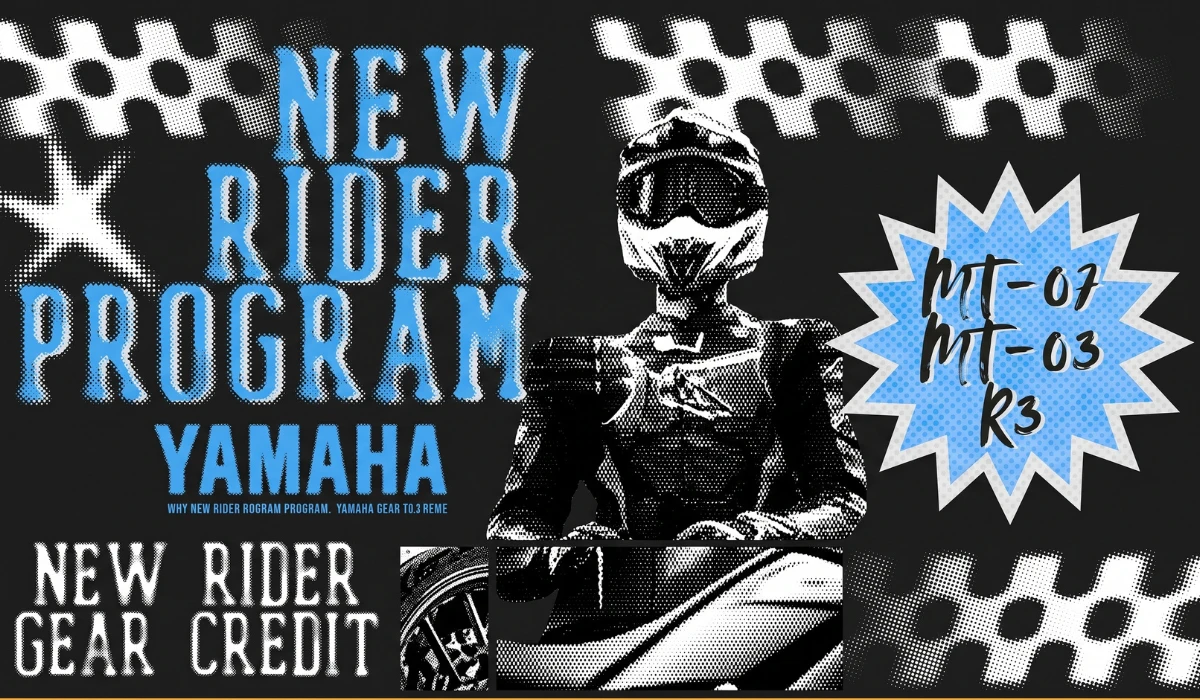
Not every motorcycle is a good fit for a new rider, and that's exactly why our New Rider Program centers around three models known for being approachable without feeling underpowered or boring once you've got some experience under your belt: the Yamaha R3, MT-03, and MT-07.
Yamaha R3
The R3 is a lightweight, sport-styled bike that's easy to handle at low speeds, which matters a lot in those first few months of riding, when parking lot maneuvers and stop-and-go traffic can be more intimidating than the open road. It still has a sportbike feel and styling, so it doesn't feel like a "starter bike" in the way some beginner-focused motorcycles do, and there's plenty of room to grow into it as your confidence and skill develop.
Yamaha MT-03
The MT-03 takes a different approach with its naked-bike styling and an upright, comfortable riding position that tends to be more forgiving for new riders, especially on longer rides or in city riding conditions. It's a great option for someone who wants a bike that's easy to live with day to day, not just fun for an hour at a time.
Yamaha MT-07
The MT-07 is a step up in personality for riders who want a bit more torque once they've got some seat time in, without jumping straight into something built for experienced riders only. It's often the bike new riders graduate to after starting on something smaller, but plenty of confident beginners choose it as a first bike too, depending on their comfort level and riding goals.
Our team can talk through the differences in person and help you figure out which one actually fits your height, riding style, and where you'll be doing most of your riding: city commuting, weekend rides, or a mix of both.
What's Included in the New Rider Program
Buying your first bike isn't just about the motorcycle itself; it's about making sure you're set up to ride safely from day one. That's why the program includes a gear credit toward the essentials: helmet, jacket, gloves, and boots. Ask our team in-store for current gear credit details on your purchase.
The idea behind bundling gear into the program is simple: a lot of new riders underestimate how much proper gear costs on top of the bike itself, and end up either overspending at the last minute or, worse, riding without the right protection to save money. Building gear into the purchase from the start avoids both problems.
Choosing the Right Gear
Good gear isn't just about looking the part; each piece serves a specific purpose, and it's worth understanding what to look for in each.
Helmet — this is the single most important piece of gear you'll buy. Fit matters more than price: a helmet that's slightly loose or too tight won't protect you properly no matter how much it costs.
Jacket — look for one built specifically for riding, ideally with armor at the shoulders and elbows. Riding jackets are designed to handle abrasion and impact in ways a regular jacket simply isn't.
Gloves — beyond grip and comfort, riding gloves protect your hands in the event of a fall, which is one of the most common places riders get injured.
Boots — ankle support and abrasion resistance matter here, especially since your feet and ankles are close to the ground and exposed in a way they aren't in a car.
Our team can help you get properly fitted for each piece rather than guessing at sizing, which matters more with riding gear than with most everyday clothing.
Getting Licensed in Ontario
If you're not licensed yet, Ontario's graduated licensing system means there's a process to work through before you're riding solo, though it's very manageable and most new riders move through it without issue. Broadly, it involves starting with an M1 permit, progressing to M2 after passing a road test (often after completing an approved rider training course), and eventually reaching a full M license after a further waiting period and test.
Requirements, timelines, and testing details can change, so it's worth checking ServiceOntario's website directly for the most current information rather than relying on secondhand advice. Many new riders also choose to take a certified motorcycle training course early on. Beyond helping with the licensing process, it's a genuinely useful way to build confidence and fundamental skills in a controlled environment before riding in traffic.
Tips for New Riders
A few things tend to make the biggest difference in how comfortable and safe new riders feel in their first season:
Start in low-traffic areas — parking lots and quiet streets are the best places to get a feel for clutch control, braking, and low-speed handling before heading into busier roads.
Ride within your comfort zone, not your bike's limits — even an approachable first bike has more performance than most new riders need right away. There's no rush to explore the upper end of what it can do.
Watch the weather — wet or windy conditions affect a motorcycle far more than a car, and it's smart to build experience in good conditions before riding in anything less than ideal.
Stay visible — bright or reflective gear, thoughtful lane positioning, and assuming other drivers haven't seen you are all habits worth building early.
None of this is meant to be intimidating; riding a motorcycle safely comes down to building good habits early and giving yourself time to develop confidence, which is exactly what the New Rider Program is designed to support.
Maintaining Your New Motorcycle
Like any vehicle, a motorcycle needs regular maintenance to stay reliable and safe; oil changes, chain or belt maintenance, tire checks, and brake inspections are all part of normal upkeep. Sticking to a regular service schedule, especially in the first year, helps catch small issues before they turn into bigger and more expensive ones. Our service team can walk you through a maintenance schedule that fits your specific model and how often you plan to ride.
What to Expect in Your First Season
Most new riders go through a similar arc over their first season: an adjustment period where everything feels a little unfamiliar, followed by a steady build in confidence as basic controls, clutch, brakes, throttle, become second nature rather than something you're actively thinking about. It's normal for this to take longer than people expect, and there's no set timeline that applies to everyone.
It's also common for new riders to feel most comfortable on familiar routes at first, gradually expanding to new roads and conditions as confidence builds. There's nothing wrong with sticking to the same few routes for a while before branching out; it's a normal, sensible part of building experience rather than a sign you're behind where you should be.
Riding with more experienced friends or joining a local riding group can also help, both for picking up practical tips and for having company on longer rides while you're still building confidence solo.
Trade In Your Old Ride
Upgrading from an old bike, or even a completely different vehicle? We're able to accept a wide range of trade-ins, motorcycles included, which isn't always the case at dealers who only specialize in one category. It's one more way to make the switch to your first (or next) Yamaha easier.
Riding Through the Seasons in Ontario
Ontario's riding season generally runs from spring through fall, though exact timing depends a lot on weather each year. New riders sometimes assume they need to fit all their learning into a short window, but a full season is more time than it feels like at the outset. Plenty of riders go from first sitting on a bike to feeling genuinely comfortable within their first few months of regular riding.
Insurance Considerations for New Riders
Insurance is another piece worth planning for before you finalize a purchase, since it varies based on the bike, your riding history, and where you live. New riders sometimes assume insurance will be prohibitively expensive, and while it's true that premiums are often higher without a riding history, the gap tends to narrow after the first year or two, especially with a completed rider training course on record. It's worth getting a quote early in the process, before you've settled on a specific model, so cost factors into your decision rather than becoming a surprise afterward.
Frequently Asked Questions
What's the best first motorcycle for a complete beginner?
It depends on your size, comfort level, and riding goals, but the R3 and MT-03 tend to be the most beginner-friendly of the three models in our New Rider Program. Our team can help match you to the right one in person.
Do I need to already be licensed to buy a motorcycle?
No, many new riders purchase their bike before completing the full licensing process. Our team can talk through timing and help make sure you're set up to start the licensing process smoothly.
How much does gear actually cost on top of the bike?
It varies depending on the brands and features you choose, which is exactly why the New Rider Program includes a gear credit. Ask our team in-store for current details.
Can I trade in a car or other non-motorcycle vehicle toward a bike purchase?
Yes, we're able to accept a range of trade-ins beyond just motorcycles, which gives new riders more flexibility than they'd typically get at a specialized dealer.
.png)

.png)